
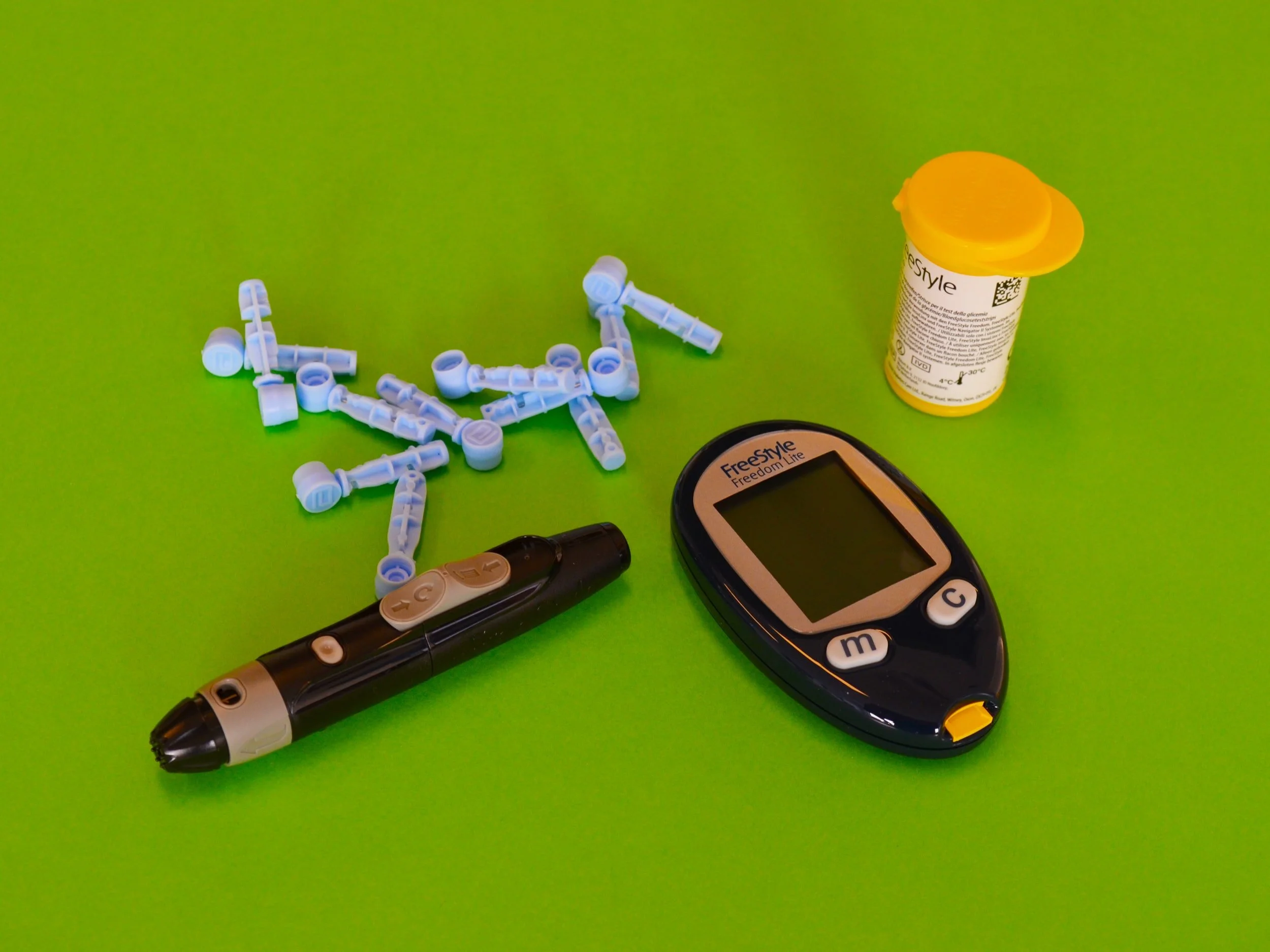
November is National Diabetes Month and according to the CDC National Statistical Report of 2020, 34.2 million Americans have diabetes, and 88 million adult Americans have pre-diabetes. On all accounts, these are staggering numbers! The CDC has also listed diabetes as one of the high-risk groups for the Covid-19 virus. Having diabetes puts you at increased risk for developing a more serious, life-threatening illness if infected.
Diabetes, an illness where people have elevated blood sugar levels related to insulin insufficiency and impaired pancreatic functioning, are more vulnerable to developing infections once exposed to bacterias and viruses. In the case of Covid-19, individuals with diabetes are not necessarily catching the virus more often than the general public, but diabetics are developing more severe complications from the Covid-19 virus. This is especially true if the individual’s diabetes is not well controlled. Both elevated blood sugar levels and viral infections can cause increased inflammation in the body and can also weaken the body’s immune system and the ability to fight infection. Early studies of the pandemic showed that 25% of patients admitted to the hospital for treatment of Covid-19 also had diabetes. People with diabetes often have other serious illnesses such as heart disease, which may also put them at a higher risk of developing serious complications if they contract Covid-19. Some of the most serious complications that have been reported have been infections in the bloodstream or sepsis and diabetic ketoacidosis or the build-up of ketones in the blood that can lead to death.
In addition to those serious complications, some studies are showing that Covid-19 has actually caused diabetes in some patients. A Reuters report in October highlighted a man from Arizona who developed diabetes after having Covid-19 in June. This man who reported he never had a history of diabetes, became very sick weeks after his initial illness with the virus. At that time, he needed to be hospitalized and it was there that he was placed in intensive care for a diabetic coma. Diabetes researchers world-wide have added diabetes to their list of serious complications from Covid-19.
Diabetic high-risk populations, such as Black and Hispanic Americans are showing a very high rate of Covid-19 infection and they are being watched for complications and issues related to the disease. In a report generated by the CDC in July, it was found that Black and Hispanic Americans had a higher mortality rate from Covid-19, as compared to the white population. In another report that looked at the distribution of diabetes in Black men, 2.7 million Black men over age 20 were shown to have diabetes and they were not aware of it. The average Black person has a 50% chance of developing diabetes in their lifetime. Diabetes is also high in the Hispanic population accounting for 17% of diabetes cases in America. Risk factors such as genetics and lifestyle can also add to the development of diabetes in these groups. Healthcare providers have identified that guidance and health education on preventing and managing diabetes and the prevention of Covid-19 is paramount in these groups.
How to protect yourself and prepare ahead in case of getting Covid -19
Clearly, the goal for everyone, especially diabetics is not to get infected with Covid-19 and to follow the most current CDC guidelines which include the following public health protocols:
Washing your hands with soap and water for 20 seconds or using hand sanitizer frequently.
Following social distancing and staying at least 6 feet from people and avoiding crowds.
Wearing a mask in public places.
Talking to your doctor about getting a flu vaccination.
Staying home if you are sick.
Staying away from people who are sick.
Cleaning your home with a disinfectant cleaner.
In addition to these public health measures, diabetics also need to be mindful of their condition and prepare to have supplies on hand if they become sick. Some of the items suggested by health providers and the CDC include:
Having an ample supply of insulin at home and the supplies needed to administer it.
Have enough food at home in the event you cannot get to a store. There should be carbohydrates to keep your blood sugar up, if you are too sick and don’t feel like eating.
Have a supply of glucagon and ketone strips on hand.
Talk with your doctor about how often you should check your blood sugar by doing finger sticks if sick and ask if your insulin dose will be affected.
Take your diabetes medication as prescribed unless told otherwise by your doctor.
Stay hydrated and drink water. If you are having a hard time keeping water down, try sips every 15 minutes.
If your blood sugar is too high or if you are spilling ketones, call your doctor, you may need to be hospitalized.
According to the CDC, you may need to be hospitalized if your blood sugar is lower than 60, you cannot keep fluid down for four hours and you have high ketones in your urine. Your doctor should be notified of these findings.
At Healthlink Advocates, Inc. our board-certified health and wellness coaches often work with clients who have chronic illnesses, such as diabetes. Click below to call for your free consult, we are here to help you.
References:
https://www.diabetes.org/coronavirus-covid-19/how-coronavirus-impacts-people-with-diabetes
https://www.watsonclinic.com/blog/posts/diabetes-and-covid-19-what-to-do-if-you-get-sick.html
https://bgr.com/2020/10/21/coronavirus-symptoms-complications-diabetes-onset-after-covid-19/
https://www.cdc.gov/mmwr/volumes/69/wr/mm6928e1.htm?s_cid=mm6928e1_w